Selected work · 04 · CAT with Sustain Plus · 2026 – now
Energy in the landscape plans
With Sustain Plus, a method for choosing, costing and owning renewable-energy technology inside CAT's landscape plans.
Context
- CAT's landscape plans say what each landscape needs and at what scale, but not which machine, who owns it, who runs it or what it costs to keep running. Sustain Plus works on decentralised renewable energy for rural livelihoods. In July 2026 the two began working out how energy fits the plans.
Sandeep's part
- Built an energy-nexus map that links ten technology families to the parts of a landscape they serve: shared energy and farm machinery, solar milling, irrigation, drying and cold chains, biogas, protected cultivation, solar crop protection, livestock systems and forest-produce tools. Sustain Plus and Social Alpha checked the unit costs.
- Built renewable-energy ledgers for Patharpratima and Chitrakonda that place each technology at its stage of the value chain, and drafted renewable-energy indicators for CAT's outcomes framework.
- Presented Landscape and renewable energy integration at India Habitat Centre, New Delhi, on 3 September 2026. It sets out four ownership models, from one farmer with a sub-horsepower pump to an enterprise selling energy and water as a service, and for each says who operates it and who pays.
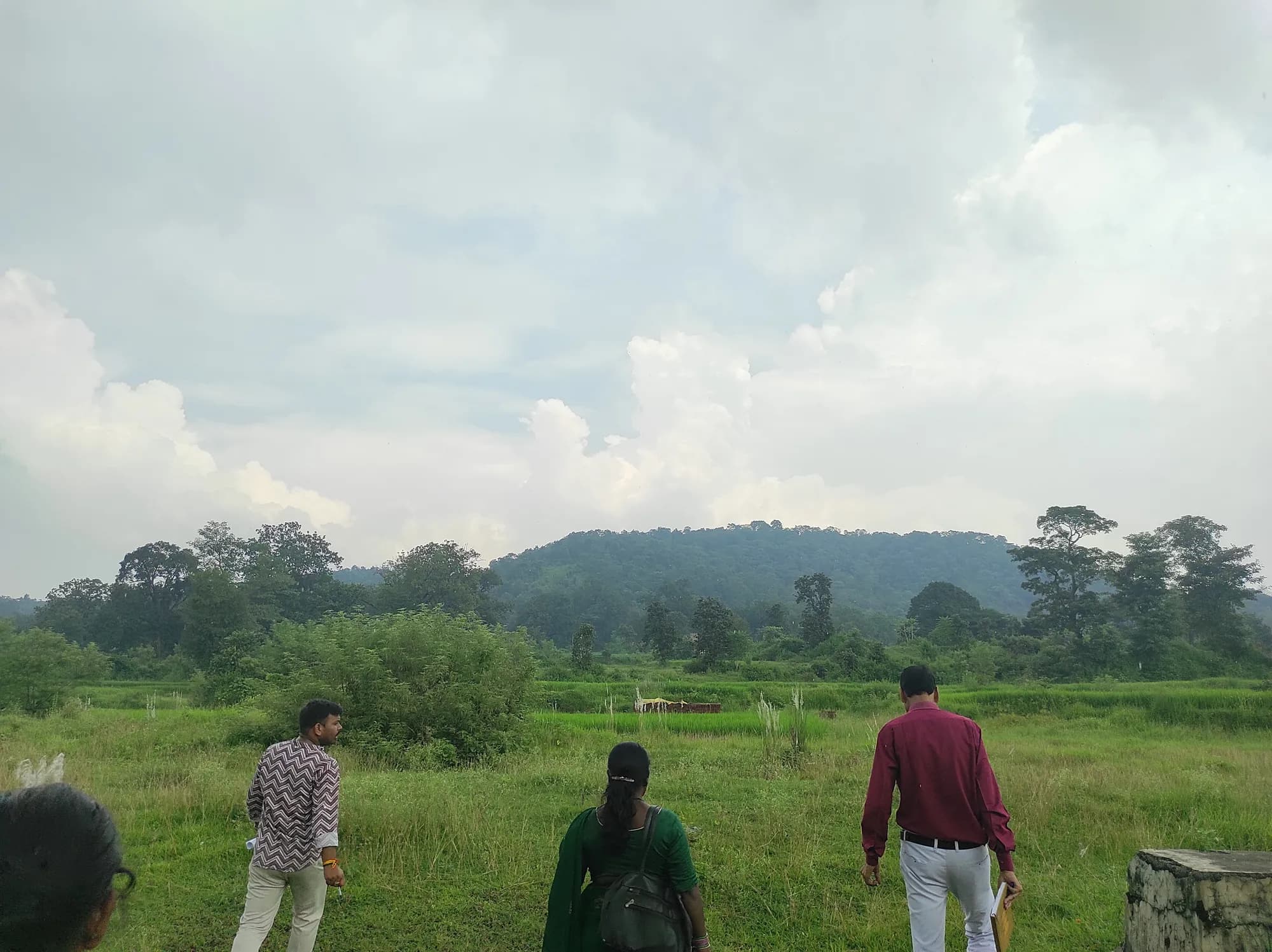
- Led a three-day technology overlay in Patratu with Sustain Plus, 22 to 24 September 2026. Focus groups with women and men separately and an inventory of installed machines and whether they work came first; then a problem statement for each activity in the plan, matched to a solution. Proven, serviceable technology goes to implementation; promising but unproven technology is parked as a possible investment.
- Joined the Patharpratima field visit with Sustain Plus and DRCSC, 12 to 14 October 2026, and shared the Patratu technology matrix with partners.
What changed
- Every technology in a plan now carries five cost lines: the machine, operation and maintenance, operator development, institutionalisation and services. Vendors supply the first two; the plan builds the rest.
- Machines are counted per hectare by zone and crop, so the number fits the land and the operators rather than the budget. The working rule is to revive what is already installed before introducing anything new.
- A second phase with DRCSC in West Bengal is in discussion for November 2026.